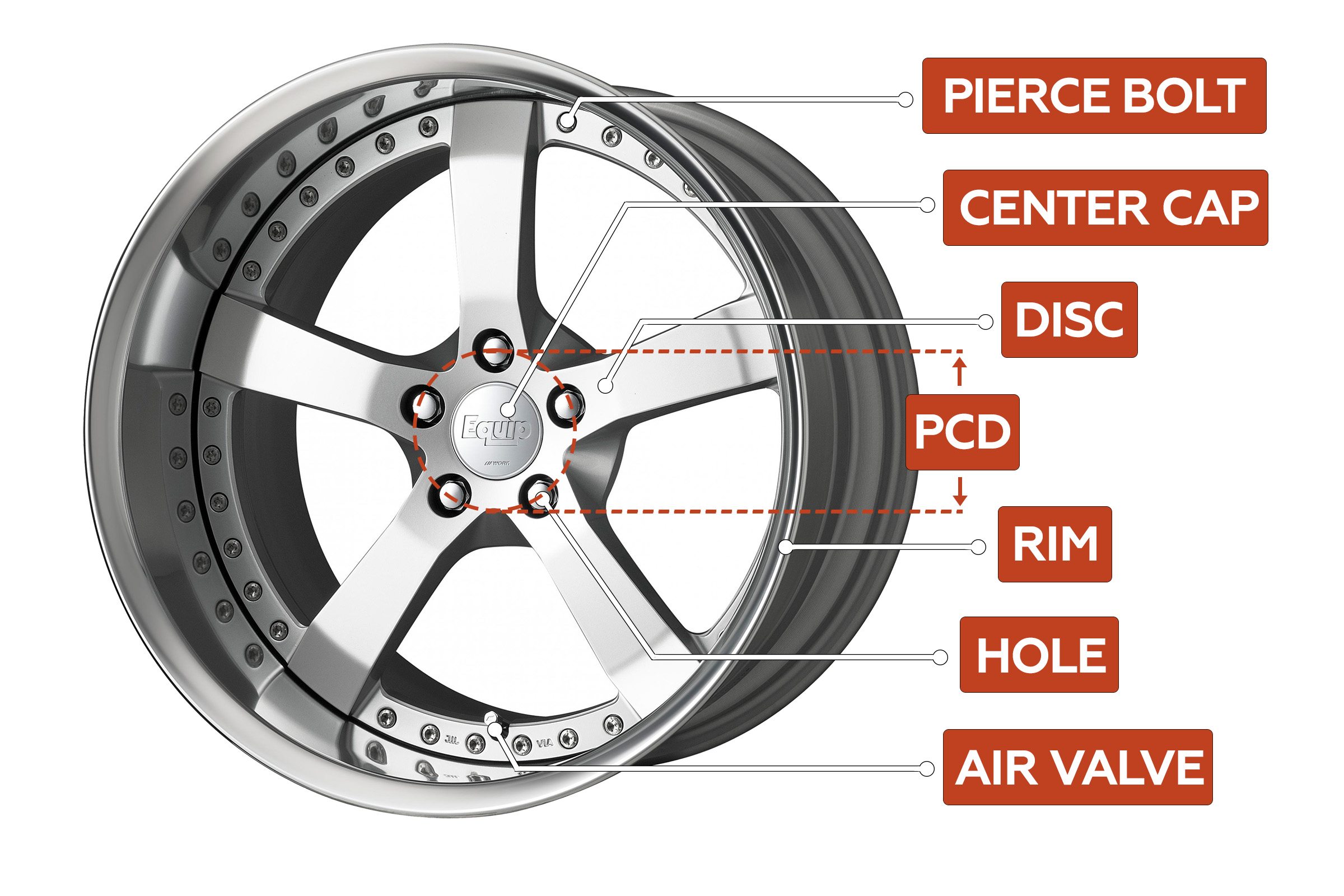
Which Wheel & Tire Strategy is Best for Your Vehicle?
The decision to upgrade or replace vehicle wheels, tires, and accessories is a critical one, impacting performance, safety, and aesthetic appeal. For professionals and enthusiasts alike, understanding the strategic approaches to these automotive enhancements is paramount. This analysis dissects two primary methodologies: the integrated package approach and strategic component sourcing, evaluating their distinct advantages and disadvantages.
The Integrated Package Approach: Convenience and Cohesion
Opting for an integrated wheel and tire package, often facilitated by specialized retailers like A&J Wheels, Tires, and Accessories, represents a solution focused on convenience, guaranteed compatibility, and streamlined execution. In this model, the supplier provides a complete, pre-vetted system where wheels and tires are matched for optimal performance characteristics, fitment, and aesthetic harmony. The primary benefit lies in leveraging the vendor’s expertise; professional outfits possess the knowledge to select combinations that avoid common issues such as rubbing, incorrect load ratings, or mismatched offsets. This approach minimizes the consumer’s research burden and mitigates the risk of costly errors, ensuring that the selected components function synergistically from installation. Furthermore, a single point of contact simplifies warranty claims and post-purchase support, offering peace of mind through a comprehensive solution.
Strategic Component Sourcing: Maximizing Customization and Value
Conversely, strategic component sourcing involves acquiring wheels, tires, and ancillary accessories independently from various vendors. This method appeals to the discerning consumer or specialized application where specific brand loyalty, unique aesthetic requirements, or granular performance tuning dictates choices beyond standard packages. The principal advantage is unparalleled customization; individuals can select the exact wheel model from one manufacturer, pair it with a specific tire compound from another, and integrate distinct accessories to meet precise functional or visual criteria. While potentially offering access to a broader market for individual component pricing, this approach demands a significantly higher level of technical understanding from the buyer. Successfully integrating disparate components requires meticulous research into fitment, load indices, speed ratings, and aesthetic compatibility, as any mismatch can compromise vehicle dynamics, safety, or longevity. The financial benefit of lower individual component prices can be offset by increased shipping costs, separate installation fees, and the personal investment of time required for extensive due diligence.
Insight: The global automotive aftermarket for wheels and tires is projected to reach over $100 billion by 2027, driven by consumer demand for personalization and performance upgrades. This growth underscores the importance of informed decision-making in a diverse market.
Tire, Car tire, Recycling, Winter tires, Wheel, Profile, Rubber, Tire profile, Old, Tyres, Tire service, Garbage, Waste, Tyres, Tyres, Tyres, Tyres, Tyres · Photo by Berger-Team on Pixabay
Performance Metrics and Aesthetic Considerations
The impact on performance and aesthetics varies significantly between these two strategies. Integrated packages are typically engineered to deliver a balanced performance profile, where the wheel and tire combination is optimized for general driving conditions, ride comfort, and predictable handling within specified vehicle parameters. These solutions often undergo rigorous testing by the supplier to ensure structural integrity and dynamic harmony. Aesthetically, integrated packages often present a cohesive look, designed to complement the vehicle’s original lines or achieve a specific visual theme with minimal effort from the buyer. The professional guidance inherent in this approach reduces the likelihood of jarring visual mismatches or performance compromises.
Strategic component sourcing, while offering maximal aesthetic freedom, places the onus on the buyer to ensure performance consistency. It allows for hyper-specialization, such as selecting ultra-lightweight forged wheels for track performance or aggressive off-road tires for extreme terrains. However, without expert validation, there is an increased risk of creating an imbalanced setup that might degrade handling, accelerate wear on suspension components, or introduce NVH (noise, vibration, and harshness) issues. The aesthetic outcome, too, is solely dependent on the buyer’s discernment, risking combinations that, while individually appealing, may not coalesce into a harmonious overall vehicle presentation. True optimization requires a deep understanding of suspension geometry, unsprung weight, and tire dynamics, capabilities often held by seasoned professionals or dedicated tuners.
Cost-Benefit Analysis Across Strategies
A comprehensive cost-benefit analysis extends beyond the initial purchase price to encompass long-term ownership expenses and intangible values. Integrated packages, while potentially presenting a higher upfront cost for the bundled components and installation, often include benefits such as a unified warranty, professional installation services, and guaranteed fitment. This reduces the risk of unforeseen costs associated with correcting compatibility issues or sourcing specialized tools for DIY installation. The value proposition here is convenience, reduced risk, and expert assurance, translating into lower ‘hassle costs’ and potentially greater long-term reliability due to professionally matched and installed components.
Conversely, strategic component sourcing can appear more cost-effective on a per-item basis. However, the true cost escalates when factoring in shipping fees from multiple vendors, the time investment for extensive research and verification, and the potentially higher labor costs for a third-party installer who must handle components from disparate sources. Furthermore, in the event of a warranty claim or compatibility issue, the buyer is responsible for navigating multiple vendor policies, potentially leading to increased downtime and administrative effort. The benefit here is the flexibility to exploit sales across different platforms and the potential to build a truly unique setup, assuming the buyer possesses the requisite knowledge and willingness to manage the complexities.
Insight: Improper wheel and tire installation or mismatched specifications can increase fuel consumption by up to 3% and reduce tire life by 15%, highlighting the hidden costs of uninformed decisions.
FAQ: Understanding Your Automotive Upgrade Options
1. How does an integrated package ensure compatibility?
Integrated packages ensure compatibility through expert consultation and pre-vetted combinations. Specialty retailers employ knowledgeable staff who assess your vehicle’s specifications and driving needs, recommending wheel and tire sets that are guaranteed to fit and perform optimally without requiring additional modifications or risking premature wear on other vehicle components. This professional assessment minimizes the risk of issues like improper offsets, inadequate load ratings, or clearance problems.
2. What are the risks of sourcing components separately?
Sourcing components separately carries several risks, primarily concerning compatibility, warranty complexities, and an increased burden on the buyer. Without expert guidance, there’s a higher chance of selecting wheels that don’t fit the vehicle’s hub, tires with incorrect load or speed ratings, or combinations that negatively impact handling or safety. Warranty claims can become complicated when dealing with multiple manufacturers for different components, and the buyer is responsible for coordinating installation, potentially incurring higher labor costs or the risk of incorrect installation.
3. When should aesthetic considerations outweigh performance, or vice-versa?
The balance between aesthetics and performance should primarily depend on the vehicle’s intended use and the driver’s priorities. For a show car, a daily driver where visual appeal is paramount, or a vehicle used for occasional leisurely cruises, aesthetics might take precedence, allowing for choices that prioritize style over ultimate performance. Conversely, for competitive driving, heavy hauling, off-roading, or any scenario where safety and dynamic capabilities are critical, performance considerations should always outweigh pure aesthetics. An analyst recommends prioritizing safety and performance metrics for any vehicle that will be driven regularly or under demanding conditions.
Verdict and Recommendation
For the vast majority of consumers seeking an upgrade or replacement for wheels, tires, and accessories, the **integrated package approach** emerges as the superior strategy. Its benefits in terms of guaranteed compatibility, expert guidance, streamlined installation, and comprehensive post-purchase support significantly outweigh the perceived cost savings or expanded choice offered by strategic component sourcing. While the latter appeals to a niche segment of highly informed and technically proficient enthusiasts, the complexities and inherent risks of managing disparate components make it unsuitable for the average vehicle owner. Therefore, for optimal long-term satisfaction, safety, and a minimized administrative burden, engaging with a reputable specialist offering integrated solutions provides the most robust and value-driven path for enhancing your vehicle’s wheels, tires, and accessories.
Max Reed | Tech & Mobility Lead A former automotive engineer turned digital nomad, Max has spent over a decade exploring the intersection of horsepower and high-tech. Whether he’s test-driving the latest EV or trekking through the Alps with a drone in his backpack, Max is obsessed with gear that works. He’s the "engine" behind our tech reviews and adventure guides. “Life is too short for slow cars and bad Wi-Fi.”
Max Reed | Tech & Mobility Lead A former automotive engineer turned digital nomad, Max has spent over a decade exploring the intersection of horsepower and high-tech. Whether he’s test-driving the latest EV or trekking through the Alps with a drone in his backpack, Max is obsessed with gear that works. He’s the "engine" behind our tech reviews and adventure guides. “Life is too short for slow cars and bad Wi-Fi.”