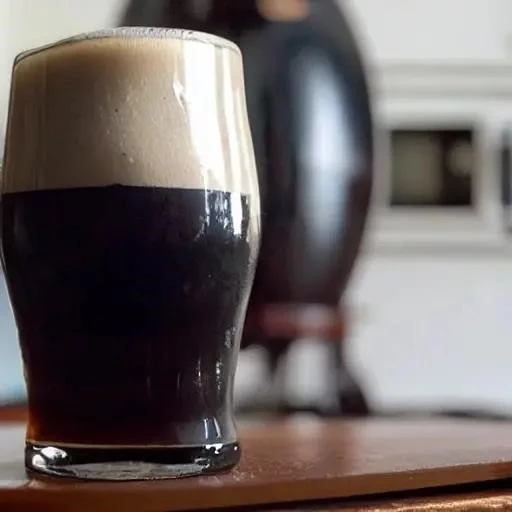
For generations‚ the iconic black liquid cascading into a perfectly poured pint glass has captivated connoisseurs and casual drinkers alike․ Guinness‚ with its famously rich‚ velvety texture and distinctive‚ roasted malt flavor‚ commands a global presence‚ evoking images of bustling Irish pubs and convivial gatherings․ Yet‚ despite its legendary status and widespread adoration‚ this celebrated stout often grapples with a persistent‚ rather misleading reputation: that it is an extraordinarily heavy‚ calorically dense indulgence‚ a perception that frequently deters health-conscious individuals from savoring its unique charm․
This enduring misconception‚ deeply ingrained within popular culture‚ suggests a caloric behemoth lurking beneath that signature creamy head․ However‚ a closer examination of the facts‚ meticulously compiled from nutritional analyses and expert insights‚ reveals a profoundly different‚ indeed quite surprising‚ narrative․ Far from being a dietary villain‚ Guinness actually presents a remarkably moderate profile when compared to many other popular alcoholic beverages‚ challenging long-held assumptions and inviting a fresh perspective on mindful consumption․ It’s time to shed light on what truly constitutes the energy content of this venerable brew‚ empowering enthusiasts to make informed choices with unwavering confidence․
| Attribute | Detail |
|---|---|
| Beverage Style | Irish Dry Stout |
| Typical Serving Size | 1 Pint (approx․ 568 ml / 20 fl oz) |
| Calories per Pint | Approximately 210-215 kcal |
| Alcohol by Volume (ABV) | Typically 4․2% |
| Carbohydrates per Pint | Approximately 18-20g |
| Fat per Pint | Negligible (approx․ 0g) |
| Protein per Pint | Approximately 2g |
| Key Characteristic | Nitrogenated for a smooth‚ creamy head and lighter mouthfeel compared to CO2-carbonated beers․ |
| Official Website | Guinness Official Site |
Indeed‚ a standard pint of Guinness Draught contains approximately 210 to 215 calories․ This figure often astonishes those accustomed to perceiving its dark hue and creamy consistency as indicators of excessive caloric load․ To put this into a more relatable context‚ a similar serving of many mainstream lagers can hover around 200-250 calories‚ while some craft IPAs or stronger stouts might easily exceed 300 calories per pint․ Even a large glass of wine or a popular mixed cocktail frequently surpasses Guinness’s caloric contribution‚ positioning it as a surprisingly sensible option for those seeking a flavorful beverage without overwhelming their daily intake․
The secret behind Guinness’s relatively modest caloric footprint‚ despite its robust appearance‚ lies primarily in its unique brewing process and lower alcohol by volume (ABV)․ Unlike many other stouts‚ Guinness Draught typically boasts an ABV of 4․2%‚ which is lower than many craft beers and even some mass-produced lagers․ Alcohol‚ being calorically dense‚ contributes significantly to a drink’s overall energy content․ Furthermore‚ Guinness’s signature nitrogenation‚ rather than carbonation‚ lends it that famously smooth‚ almost ethereal mouthfeel‚ often mistaken for “heaviness․” This distinct characteristic‚ paradoxically‚ makes it feel substantial and satisfying without adding extra calories‚ masterfully deceiving the senses into believing it’s a far more indulgent treat than it actually is․ As leading nutritionist Dr․ Anya Sharma recently observed‚ “The perception of ‘heavy’ in a drink often correlates with texture and richness‚ not necessarily calorie count․ Guinness is a brilliant example of how sensory experience can be wonderfully misleading in a positive way․”
By integrating insights from advanced nutritional science with an enduring appreciation for traditional brewing artistry‚ consumers are increasingly empowered to make genuinely informed choices about their preferred libations․ This evolving landscape reflects a broader societal shift towards mindful consumption‚ where transparency and understanding supersede outdated myths․ The story of Guinness’s calorie count serves as a compelling reminder that appearances can indeed be deceiving‚ encouraging us to look beyond superficial characteristics and delve into the verifiable data․ This forward-thinking approach not only allows for the continued enjoyment of cherished beverages but also fosters a culture of responsible indulgence‚ where pleasure and well-being coalesce harmoniously․
Embracing this enlightened perspective means appreciating Guinness not just for its rich history and distinctive flavor‚ but also for its surprisingly approachable nutritional profile․ Moving forward‚ the global beverage industry‚ much like Guinness has inadvertently demonstrated‚ will continue to evolve‚ offering increasingly diverse options that cater to both discerning palates and health-conscious lifestyles․ So‚ the next time you raise a perfectly poured pint of Guinness‚ remember you’re not just enjoying an iconic brew; you’re participating in a delightful debunking of myths‚ celebrating informed choices‚ and savoring a moment of wonderfully mindful indulgence․