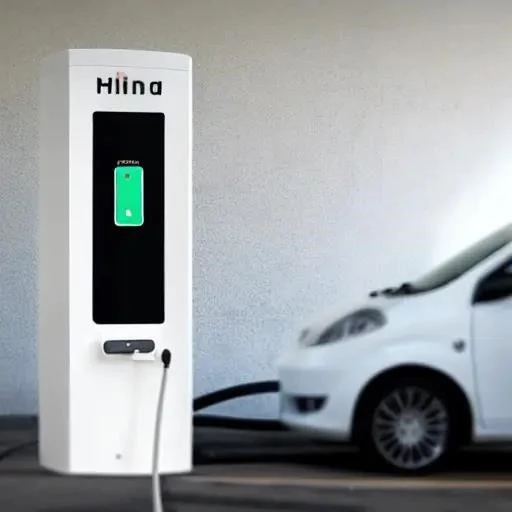
The automotive landscape is undergoing a profound transformation, driven by an accelerating shift towards electric vehicles (EVs). From bustling urban centers to serene suburban streets, more and more drivers are embracing the silent power and environmental benefits that EVs offer. This global movement, fueled by technological advancements and a growing consciousness about climate change, is revolutionizing how we perceive personal transportation. Yet, amidst the excitement surrounding sleek designs and zero tailpipe emissions, a lingering question often surfaces in the minds of prospective buyers: how much is it to charge an electric car, and can it truly compete with the long-standing economics of gasoline?
Dispelling myths and illuminating facts, this article delves deep into the often-misunderstood world of EV charging costs. Many believe that the convenience of a petrol station is irreplaceable, or that the electricity bill for an EV would be astronomical. However, by integrating insights from industry experts and examining real-world data, we’re poised to reveal a compelling narrative of financial prudence and sustainable living. The journey to electrify your drive doesn’t just promise a greener future; it often unlocks remarkable, tangible savings that are simply too significant to ignore.
Key Factors Influencing Electric Vehicle Charging Costs
| Factor | Description | Impact on Cost |
|---|---|---|
| Electricity Rates | Varies significantly by geographical region, utility provider, and time-of-day (peak vs. off-peak hours). | Most significant variable. Lower rates, especially off-peak, drastically reduce costs. |
| Charging Level | Level 1 (standard outlet), Level 2 (240V home/public), DC Fast Charging (public high-speed). | L1 & L2 generally cheaper (per kWh or included in home bill); DC Fast Charging is fastest but most expensive per kWh. |
| Battery Capacity | The size of the EV’s battery pack (e.g., 60 kWh, 100 kWh). | Larger batteries require more energy to fully charge, thus higher total cost per full charge, but offer longer range. |
| Vehicle Efficiency | How many miles an EV can travel per kilowatt-hour (Mi/kWh). | More efficient EVs (higher Mi/kWh) require less energy to travel the same distance, reducing overall costs. |
| Charging Location | Home (private), Public Level 2, Public DC Fast Charging, Workplace. | Home charging is usually cheapest. Public costs vary widely, with DC Fast being premium. Free workplace charging offers significant savings. |
| Subscription Plans/Loyalty Programs | Offered by public charging networks (e.g., Electrify America Pass+, ChargePoint Passport). | Can provide discounted rates on public charging, making frequent use more economical. |
The Home Advantage: Unbeatable Economy and Convenience
For most EV owners, the bulk of their charging occurs at home, transforming their garage or driveway into a personal fueling station. This is where the profound economic advantage of electric driving truly shines. “Charging at home is like plugging in your smartphone overnight,” explains Dr. Anya Sharma, a leading energy economist specializing in sustainable transportation. “You set it and forget it, waking up to a ‘full tank’ every morning.” The cost here is directly tied to your household electricity rate, which, crucially, is often significantly lower than the price of gasoline. Many utilities even offer special off-peak rates for EV owners, encouraging charging during periods of low demand, further minimizing expenses. By meticulously planning their charging schedules, drivers can often pay just pennies per mile, a stark contrast to the fluctuating and often volatile prices at the pump.
Navigating the Public Charging Landscape: A Spectrum of Options
While home charging forms the backbone of EV ownership, public charging networks are rapidly expanding, providing crucial flexibility for longer journeys and urban commutes. These public stations come in various forms, primarily Level 2 chargers and the increasingly prevalent DC Fast Chargers. Level 2 chargers, found at workplaces, retail centers, and parking garages, typically charge by the hour or per kWh, offering a convenient top-up while you’re out and about. DC Fast Chargers, on the other hand, are designed for rapid replenishment, delivering substantial range in mere minutes, making them ideal for road trips. Companies like Electrify America, ChargePoint, and EVgo are strategically positioning these stations across highways and key locations. While generally more expensive per kWh than home charging, often priced to reflect their speed and accessibility, they remain remarkably cost-effective compared to gasoline, especially when considering subscription plans or free charging opportunities offered by some employers or retailers.
The Head-to-Head: EV Charging vs. Gasoline Costs
Let’s tackle the burning question head-on: is it cheaper? The answer, overwhelmingly, is yes. Industry analyses consistently demonstrate that powering an EV is substantially more economical than fueling a comparable gasoline car. Consider a typical sedan traveling 12,000 miles annually. With gasoline prices averaging $3.50 per gallon and a car getting 30 MPG, annual fuel costs would hover around $1,400. In contrast, an efficient EV consuming 30 kWh per 100 miles, with electricity priced at a national average of $0.15 per kWh (and assuming 80% home charging), would incur annual charging costs closer to $540. This represents an annual savings of nearly $860—a staggering difference that adds up exponentially over the vehicle’s lifespan. Moreover, EVs boast significantly lower maintenance costs, lacking complex engines, oil changes, and exhaust systems, further solidifying their financial appeal.
The Road Ahead: Optimism and Innovation in EV Charging
The future of EV charging is incredibly bright, promising even greater affordability and convenience. We are witnessing an explosion in smart charging technologies, allowing vehicles to automatically charge during off-peak hours or even feed energy back to the grid (Vehicle-to-Grid, or V2G) for financial incentives. Governments worldwide are investing heavily in infrastructure, ensuring that charging stations become as ubiquitous as gas stations, if not more so. “The grid is evolving, becoming smarter and more resilient,” states environmental policy expert Liam O’Connell. “Integrating renewable energy sources directly into charging infrastructure will not only make charging cleaner but also drive down costs further.” This forward-looking approach, combined with ongoing battery technology advancements leading to increased efficiency and lower production costs, paints a persuasive picture for the economic viability of electric vehicles.