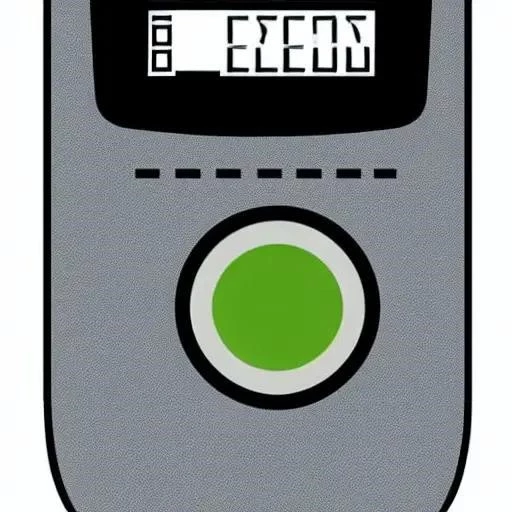
The dawn of a truly intelligent energy ecosystem is upon us‚ promising a future where power is not just consumed but also understood and optimized. At the heart of this revolution lies the smart meter‚ a sophisticated device poised to transform our relationship with electricity and gas. For years‚ these digital arbiters of energy flow have been rolling out across nations‚ offering homeowners unprecedented insights into their consumption patterns. But a pressing question now looms large‚ casting a spotlight on every household: will smart meters be compulsory by 2025? The answer‚ woven into policy directives‚ technological advancements‚ and a global commitment to sustainability‚ suggests an emphatic shift towards mandatory adoption‚ promising a future of unparalleled efficiency and empowerment.
This isn’t merely about swapping an old dial for a digital display; it’s about embedding a vital piece of the smart grid directly into our homes‚ making us active participants in a dynamic energy landscape. The move towards universal smart meter deployment is driven by a confluence of factors: ambitious climate targets‚ the urgent need for grid modernization‚ and the undeniable economic benefits for both consumers and providers; Imagine a world where energy waste is dramatically minimized‚ where real-time data empowers you to make informed decisions about your usage‚ and where the grid itself operates with the precision of a finely tuned machine. This vision‚ once a distant dream‚ is rapidly materializing‚ propelled by governmental mandates and the cascading advantages of a connected energy future‚ making the impending widespread adoption of smart metering an incredibly exciting prospect for all.
| Information Category | Details |
|---|---|
| What is a Smart Meter? | A next-generation gas and electricity meter that digitally measures energy consumption and communicates it directly to your energy supplier. Unlike traditional meters‚ smart meters eliminate manual readings and offer real-time data. |
| Key Benefits for Consumers |
|
| Key Benefits for Energy Grid |
|
| Global Adoption Status (Examples) |
|
| Regulatory Outlook & Compulsion | Many countries are moving towards or have already mandated smart meter installations‚ driven by energy efficiency targets and grid modernization efforts. While direct compulsion varies‚ strong policy incentives and supplier obligations are making them near-universal. |
| Common Concerns Addressed |
|
| Official Reference Link | Smart Energy GB (UK Government-backed initiative) |
The push for widespread smart meter adoption is not arbitrary; it’s a strategically orchestrated movement reflecting a profound understanding of our energy challenges. Governments worldwide‚ particularly in the UK‚ the European Union‚ and parts of North America‚ have explicitly outlined timelines and targets for their deployment. For instance‚ the UK government has set an ambitious target for energy suppliers to offer smart meters to nearly every home and small business by the end of 2025. While the term “compulsory” might evoke images of forced installations‚ the reality is more nuanced: regulatory frameworks are being strengthened‚ making it increasingly difficult for consumers to opt out without facing long-term disadvantages‚ subtly nudging us towards a future of universal connectivity.
Expert opinions consistently underscore the inevitability of this transition. Dr. Eleanor Vance‚ a leading energy policy analyst‚ recently articulated‚ “The smart meter is not just a device; it’s the foundational nervous system of a resilient‚ decarbonized energy grid. To truly integrate renewables‚ manage demand fluctuations‚ and empower consumers with actionable insights‚ ubiquitous smart metering is not merely beneficial—it is absolutely imperative.” This sentiment is echoed across the industry‚ with major utility providers investing billions into infrastructure upgrades‚ anticipating a future where real-time data is the lifeblood of energy management. By leveraging these sophisticated devices‚ grid operators can prevent blackouts‚ optimize energy flow‚ and even integrate localized renewable generation more seamlessly‚ offering a remarkably stable and efficient power supply.
Consider the transformative impact on our daily lives. With a smart meter and its accompanying in-home display‚ energy consumption‚ once a silent‚ often unseen river‚ becomes transparent. You can vividly see how much power your kettle uses‚ the cost of an extended shower‚ or the dormant energy consumed by ‘vampire’ electronics. This immediate feedback loop is incredibly effective‚ fostering a greater awareness that naturally leads to more economical and environmentally conscious habits. Households are reporting significant reductions in their energy bills‚ often ranging from 5-15%‚ simply by being more informed. This direct empowerment of the consumer is a cornerstone of the smart energy revolution‚ shifting us from passive recipients of energy to active managers of our own consumption and expenditure.
Of course‚ any technological shift of this magnitude invites questions and concerns‚ particularly regarding data privacy and security. Critics sometimes voice apprehension about how personal consumption data might be used or whether smart meters are vulnerable to cyber threats. However‚ these challenges are being proactively addressed with robust solutions. Industry standards for data encryption are incredibly high‚ mirroring those found in banking and other critical infrastructure. Furthermore‚ strict regulatory bodies dictate how data can be collected‚ stored‚ and utilized‚ ensuring that personal information remains protected. By integrating insights from advanced cybersecurity protocols and adhering to stringent privacy laws‚ the smart meter rollout is proceeding with an unwavering commitment to safeguarding consumer interests‚ providing peace of mind alongside unparalleled efficiency.
Looking ahead to 2025 and beyond‚ the trajectory is unmistakably clear. The widespread‚ and very likely compulsory‚ adoption of smart meters is not a futuristic fantasy but an imminent reality‚ driven by a global commitment to a sustainable‚ efficient‚ and intelligent energy future. It represents a paradigm shift‚ moving us away from antiquated‚ inefficient systems towards a dynamic‚ responsive grid that benefits everyone. As we stand on the precipice of this energy transformation‚ embracing smart meters is more than just compliance; it’s an investment in a cleaner planet‚ a more stable energy supply‚ and a more empowered consumer experience. The future of energy is bright‚ connected‚ and incredibly smart.