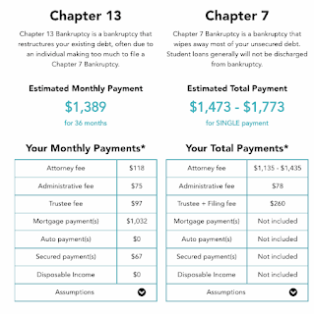
Navigating Car Loans in Bankruptcy: Chapter 7 vs. Chapter 13 Strategies
Filing for bankruptcy presents complex challenges, especially concerning secured debts such as car loans. Navigating vehicle financing during insolvency requires understanding legal frameworks and strategic pathways. This analysis compares car loan treatments under Chapter 7 and Chapter 13 bankruptcy, offering a framework for informed decision-making.
Understanding Car Loans in Bankruptcy Filings
Car loans are secured debts, meaning lenders hold a lien on the vehicle, allowing repossession upon default. This distinction dictates options under bankruptcy law, where the automatic stay offers temporary protection. Federal bankruptcy primarily offers Chapter 7 (liquidation) and Chapter 13 (reorganization), each with distinct approaches impacting vehicle retention. Strategic evaluation of the car’s market value, loan balance, and affordability is crucial to balance debt relief with transportation needs, avoiding unintended consequences.

Chapter 7 Bankruptcy and Vehicle Debt
Chapter 7 offers a swift path to discharge many unsecured debts. For secured vehicle debt, debtors typically have three primary options: surrender, reaffirmation, or redemption. Each choice carries distinct legal and financial consequences that must be carefully weighed against the debtor’s circumstances and objectives.
Surrender
Relinquishing the vehicle discharges the debtor from all loan liability, including any deficiency balance if the car sells for less than owed. This is ideal for debtors with upside-down loans, unreliable vehicles, or an inability to afford payments, providing complete severance from the debt. However, it necessitates finding alternative transportation.
Reaffirmation
Reaffirmation allows debtors to retain their vehicle by agreeing to continue the original loan payments, effectively exempting the debt from discharge. This agreement requires court approval, assessing if it’s in the debtor’s best interest. While permitting vehicle retention, the debtor remains personally liable; default post-bankruptcy can lead to repossession and a deficiency judgment. This option is only suitable when the vehicle is essential, terms favorable, and payments clearly affordable.
Redemption
Redemption enables a Chapter 7 debtor to keep their vehicle by paying its current market value in a lump sum, irrespective of the outstanding loan balance. This is advantageous for upside-down loans, discharging excess debt. The primary hurdle is securing the lump sum, often via specialized “redemption loans” with potentially higher interest. Despite financing challenges, it’s an effective way to retain a vehicle at a fair market price, offering a clean break from unfavorable loan terms.
Chapter 13 Bankruptcy and Vehicle Debt Restructuring
Chapter 13 bankruptcy, or reorganization, is for debtors with regular income who wish to repay debts over three to five years. This chapter offers greater flexibility and control over secured assets, making it a viable option for debtors determined to retain their vehicle, especially if they have fallen behind on payments or face unfavorable loan terms.
Curing Arrearages and Maintaining Payments
Chapter 13 allows debtors to include pre-petition car loan arrearages in their repayment plan. Regular payments continue, either directly or via the trustee, while past-due amounts are paid off over the plan’s duration. This strategy prevents repossession and facilitates catching up, providing stability and retaining the vehicle for debtors who faced temporary setbacks and have since stabilized income.
The “Cram Down” Provision
The “cram down” in Chapter 13 allows debtors to reduce their car loan’s principal balance to the vehicle’s current market value, provided the loan originated over 910 days (2.5 years) before filing. Debtors pay only the fair market value through the plan, often at a court-determined reduced interest. The remaining balance becomes unsecured debt. This tool significantly benefits debtors with substantial negative equity on older vehicles, making ownership equitable and manageable.
Payment Structure and Interest Rates
Chapter 13 plans often channel vehicle loan payments through the trustee, centralizing payments and ensuring adherence. Interest rates, especially on crammed-down loans or fully secured claims, can be reduced to the current prime rate plus a risk factor (Till rate), often lower than original contract rates. This reduction in principal and interest significantly lowers monthly burdens, enhancing vehicle retention sustainability and aligning with financial reorganization goals through predictable repayment.
| Option | Chapter | Mechanism | Pros | Cons |
|---|---|---|---|---|
| Surrender | 7 | Relinquish vehicle; debt discharged. | No debt liability. | Lose vehicle. |
| Reaffirmation | 7 | Agree to keep loan terms. | Keep vehicle. | Debt remains; personal liability. |
| Redemption | 7 | Pay market value in lump sum. | Keep vehicle at fair price. | Requires lump sum. |
| Cure Arrearages | 13 | Include missed payments in plan. | Prevent repossession; catch up. | Requires ongoing payments. |
| Cram Down | 13 | Reduce loan to market value (if loan > 910 days). | Lower principal/payments; keep vehicle. | Only for older loans. |
Practical Tips for Addressing Car Loans in Bankruptcy
- Assess Vehicle Value: Compare market value to loan balance for strategy.
- Review Loan Documents: Check terms, rates, and origination date (for Chapter 13 cram down).
- Evaluate Budget: Confirm affordability of car payments post-bankruptcy.
- Prioritize Transportation: Consider if vehicle is essential for work/life.
- Seek Legal Counsel: Crucial for navigating options and ensuring compliance.
Verdict and Recommendation
The optimal approach for car loans in bankruptcy is highly individualized. For discharge from unaffordable or upside-down loans, Chapter 7 with surrender or redemption (if funds permit) is direct. This offers a clean break but requires alternative transport or immediate capital.
Conversely, for individuals with steady income committed to vehicle retention, especially with negative equity or arrearages, Chapter 13 provides powerful reorganization tools, notably the “cram down” for older loans. This allows sustainable ownership via modified terms and structured repayment.
Ultimately, precise calculation of vehicle value, loan age, and income stability is paramount. As no universal solution exists, it is unequivocally recommended that debtors consult with a qualified bankruptcy attorney. Expert legal guidance is essential for navigating secured debt complexities, ensuring the chosen strategy aligns with legal requirements and practical needs for a lasting financial fresh start.