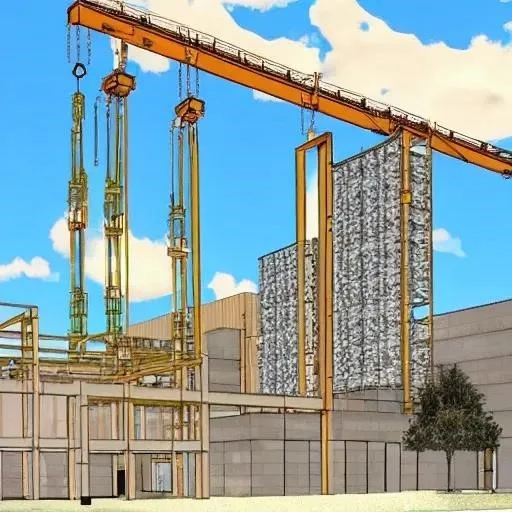
In an era defined by monumental ambition and unprecedented technological advancement, the global landscape of construction is undergoing a profound metamorphosis․ From towering skyscrapers that pierce the clouds to sprawling energy complexes powering entire nations, modern projects are not merely structures of steel and concrete; they are intricate ecosystems of innovation, logistics, and human ingenuity․ Yet, orchestrating these colossal undertakings, replete with their inherent complexities and myriad stakeholders, presents an epic challenge․ The traditional fragmentation of design, procurement, and construction often leads to cost overruns, agonizing delays, and a dizzying web of blame, leaving clients frustrated and visions unrealized․ This prevailing paradigm necessitates a more integrated, streamlined, and ultimately, a more reliable approach․
Enter EPC in construction – an acronym that stands for Engineering, Procurement, and Construction․ This remarkably effective contractual framework has emerged as the undisputed champion for delivering large-scale, intricate industrial and infrastructure projects across the globe․ By consolidating responsibility under a single contractor, EPC offers a cohesive, end-to-end solution, meticulously planning every detail from initial concept and design through the sourcing of materials, to the final construction and commissioning․ It’s a holistic methodology, designed not just to build, but to innovate, mitigate risk, and guarantee predictable outcomes, thereby profoundly reshaping how complex ventures are brought to life․
| Key Aspects of EPC (Engineering, Procurement, Construction) | |
|---|---|
| What it Stands For: | Engineering, Procurement, Construction |
| Core Definition: | A comprehensive contractual framework where a single contractor assumes full responsibility for the design, material sourcing, and physical construction of a project, delivering a functional facility․ |
| Key Advantage: | Single Point of Responsibility for the client, significantly simplifying project management, communication, and accountability․ |
| Primary Benefits: |
|
| Typical Industries/Projects: | Oil & Gas (refineries, pipelines), Power Generation (conventional, renewable, nuclear plants), Chemical Plants, Mining Facilities, Large-Scale Infrastructure (e․g․, water treatment plants, complex industrial facilities)․ |
| Future Trends & Integration: | Digitalization (Building Information Modeling ー BIM, Digital Twins), Integration of Sustainable Practices, Modular Construction Techniques, Advanced AI-driven Project Management Software, Cybersecurity․ |
| Reference Link: | Fluor Corporation ー EPC Services Overview (Example of a leading global EPC provider) |
The core allure of the EPC model lies in its unparalleled ability to consolidate accountability․ Imagine navigating a complex expedition where one seasoned guide is responsible for mapping the route, acquiring all necessary supplies, and leading the team to the destination․ This is precisely the advantage EPC confers upon project owners, freeing them from the intricate coordination between disparate contractors and consultants․ By transferring significant design, procurement, and construction risks to the EPC contractor, clients gain invaluable peace of mind, knowing their project is steered by a single, highly motivated entity committed to delivering a functional asset within predetermined cost and schedule parameters․ This mechanism is incredibly effective in complex, multi-faceted projects where certainty is paramount․
Furthermore, EPC contracts frequently operate on a lump-sum or fixed-price basis, offering remarkable cost predictability․ This financial clarity is a game-changer for investors and stakeholders, allowing for more precise budgeting and mitigating the dreaded spectre of budget blowouts․ The EPC contractor, incentivized to complete the project efficiently and on time, often leverages innovative construction methodologies, advanced supply chain management, and integrated digital tools like Building Information Modeling (BIM) and digital twins․ These technologies, when skillfully deployed, not only streamline processes but also preemptively identify and resolve potential clashes, driving down costs and accelerating project timelines, ultimately delivering superior value․
Industry leaders consistently champion the EPC approach․ As Dr․ Alex Chen, a renowned expert in industrial project management, often states, “EPC isn’t just a contract; it’s a philosophy of integrated delivery that’s critical for achieving success in today’s increasingly complex energy and infrastructure sectors․” From massive liquefied natural gas (LNG) terminals in Australia to cutting-edge renewable energy parks in the deserts of the Middle East, and sophisticated pharmaceutical manufacturing facilities in Europe, the EPC model has been instrumental․ Companies like Bechtel, Fluor, and TechnipFMC have honed their EPC capabilities, offering comprehensive solutions that span continents and tackle the most formidable engineering challenges with unwavering precision and expertise․
Looking ahead, the future of EPC in construction appears brighter and more indispensable than ever․ As global demands for sustainable infrastructure, clean energy, and advanced manufacturing continue to escalate, the need for integrated, risk-managed project delivery will only intensify․ The ongoing digital revolution, encompassing AI-driven analytics, advanced robotics, and modular construction techniques, is further empowering EPC contractors to achieve unprecedented levels of efficiency and innovation․ By continuously integrating these insights and technologies, EPC firms are not just building structures; they are crafting the foundational pillars of our future, ensuring that tomorrow’s grand visions are realized with unwavering confidence and exceptional execution, fostering economic growth and societal progress․